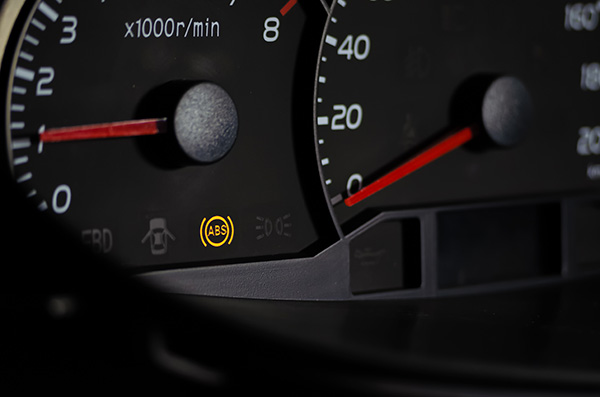
An ABS light on the dashboard is always pesky. You brake, it stops, and nothing seems different. That’s exactly why people delay it. The light does not always come with a dramatic symptom, so it’s easy to treat it like a reminder you’ll deal with later.
The problem is that the ABS system is there for those moments when traction is limited or braking happens fast. When the ABS light is on, the system may be disabled, and the car can fall back to normal braking without anti-lock help. You still have brakes, but you may lose the extra control ABS is meant to provide.
What ABS Does And What Changes When The Light Comes On
ABS stands for Anti-lock Braking System. It prevents wheel lockup during hard braking by rapidly modulating brake pressure. That helps you maintain steering control while braking. It can be especially helpful on wet roads, loose gravel, or sudden panic stops.
When the ABS light comes on, it usually means the system has detected a fault and shut off ABS function to protect itself. Your base brakes still work, but the ABS feature may not activate when you need it.
Some vehicles will also trigger traction control warnings at the same time because those systems share sensors and data.
The Most Common Cause: Wheel Speed Sensor Issues
Wheel speed sensors monitor how fast each wheel is turning. ABS compares those signals to detect slip and wheel lockup. If one sensor signal is missing, inconsistent, or out of range, the ABS module often turns the light on.
Sensors can fail, but the wiring is just as common. Road debris, corrosion, and repeated suspension movement can damage wiring near the wheel. A sensor can also read incorrectly if the tone ring it reads from is damaged or packed with debris.
If the light comes on after driving through heavy rain, snow, or a muddy area, a dirty sensor or connector can sometimes be part of the story. If it stays on, a fault code check is the fastest way to identify which wheel or circuit is causing the problem.
Low Battery Voltage And Electrical Issues
ABS modules are sensitive to voltage. A weak battery, charging issues, or a voltage drop during startup can sometimes set an ABS warning. The vehicle may store a low-voltage code even if everything looks fine later.
If your car has been cranking slowly, the battery has recently been replaced, or you’ve had other electrical oddities, it’s worth considering voltage as part of the diagnosis. A healthy charging system helps every module behave consistently.
Brake Fluid Level Or Brake System Inputs
Some vehicles will illuminate a brake warning light for low brake fluid, and others may also affect ABS behavior if the system detects an issue with brake pressure data. Low fluid can be caused by brake pad wear or a fluid leak.
If you notice the brake pedal feel changing, or you see a fluid level drop, it should be checked right away. Low fluid is not just an ABS issue. It can indicate a brake system concern that needs attention.
Wheel Bearing Or Hub Problems That Confuse Sensor Readings
This one surprises a lot of people. A worn wheel bearing can allow movement in the hub that affects sensor readings. Some hubs also have integrated tone rings or sensor components. If that area is worn or damaged, the ABS module may see an erratic signal and turn the light on.
If you’ve noticed humming, growling, or vibration that changes with speed, and the ABS light is on, the hub area deserves a closer look. It does not always mean the bearing is bad, but it is a common overlap.
What To Pay Attention To While Driving
Even if the car stops normally, note whether anything else changed around the same time the ABS light appeared. Does the traction control light come on too? Does the speedometer act odd? Do you feel any pulsing in the brake pedal during normal stops?
Also pay attention to when the light comes on. If it appears right after startup and stays on, that can point to a stored fault. If it comes on after driving a few minutes, it can suggest a sensor signal issue that shows up once the vehicle is moving.
If you feel the brakes grabbing, pulling, or the pedal is inconsistent, that is a reason to get it inspected sooner rather than later.
Why You Should Not Ignore It Even If Braking Feels Fine
The biggest issue is losing ABS support during a hard stop. On dry pavement, you may not notice. On wet or slick roads, the difference can be significant because wheel lockup can happen fast.
Also, the ABS light often means the vehicle has stored diagnostic codes that can point directly to the fault. Waiting too long can allow corrosion, wiring damage, or mechanical wear to progress and make the repair more involved.
Get ABS Diagnostics in Mason, OH, with Rix Automotive
We can scan the ABS system for fault codes, test wheel speed sensors and wiring, and inspect hubs and brake system components that can trigger the warning. We’ll pinpoint why the ABS light is on and restore proper system function, so you have full braking support when conditions get unpredictable.
Call Rix Automotive in Mason, OH, to schedule ABS diagnostics and get the warning resolved.