Posted on 10/30/2026
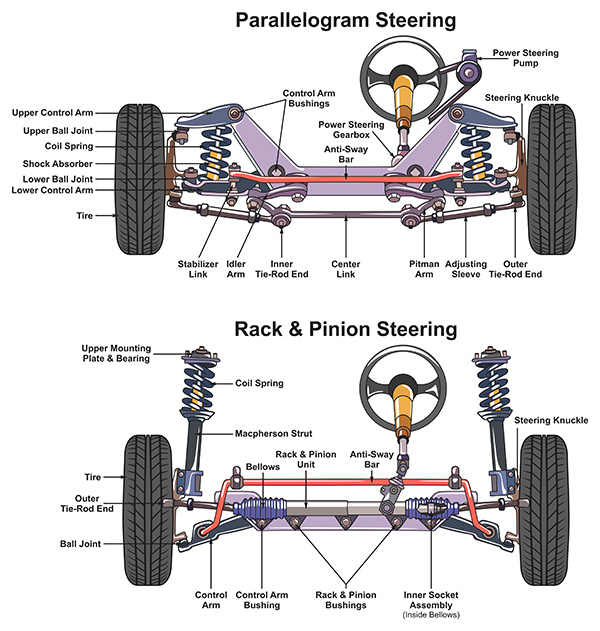
An estimate says steering angle calibration. Another says replace the sensor. They sound related, but they are different jobs. Calibration sets the reference a functioning sensor needs. Replacement addresses a sensor or assembly that has failed or is damaged. Before choosing either, we'd compare the reported steering position with the car's actual setup and check the fault information. What Steering Angle Calibration Changes The car needs to recognize the straight-ahead steering position. A calibration or initialization procedure establishes that reference according to the vehicle's instructions. Some procedures also check that the reading changes correctly as the steering moves. It changes the electronic reference, not the physical wheel alignment. If the car pulls or the steering wheel sits crooked while traveling straight, the mechanical condition needs checking. A reset shouldn't be used to hide an alignment or steering problem. Steering ... read more
Posted on 9/29/2026
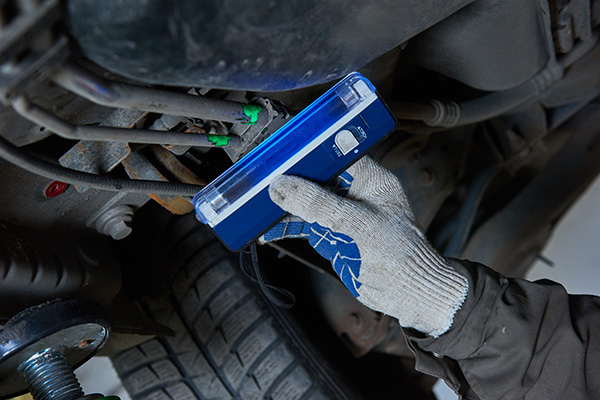
By the first cool morning, the weak air conditioning you noticed in August can slip off the repair list. The windows are down, the heater is getting some use, and there's little reason to spend money on cold air right now. Then a wet coat and damp shoes fog the windshield on an ordinary fall drive. Or the next warm afternoon arrives, and the vents deliver nothing but lukewarm air. A seasonal change can make the original complaint less noticeable without changing what's happening inside the refrigerant circuit. Air Conditioning Also Helps Clear Fogged Glass The A/C evaporator removes moisture from cabin air as it cools it. Many climate-control systems use that drying effect during windshield defogging, then add heat so the air reaching the glass isn't cold. Losing refrigerant can reduce that dehumidifying ability as well as summer cooling. Compressor operation isn't identical in every temperature or vehicle. Some systems inhibit it when conditions ar ... read more
Posted on 8/28/2026
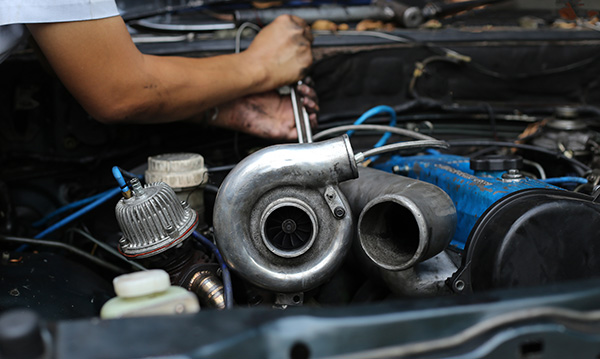
Turbocharged engines make impressive power from relatively small displacement, but that extra performance comes with a challenge. Compressing intake air raises its temperature, and hot air is less dense than cooler air. That means the engine can receive less oxygen than it could if the compressed air were cooled before entering the cylinders. That is where the intercooler comes in. It sits between the turbocharger and the engine intake, removing heat from the compressed air before that air reaches the combustion chambers. When the system works correctly, the engine can make power more consistently while keeping intake temperatures better controlled. How the Turbocharger Heats the Intake Air A turbocharger uses exhaust energy to spin a compressor wheel. That compressor forces more air into the engine than the engine could pull in naturally. As the air is compressed, its temperature rises. The turbo itself also operates in an extremely hot part of the engine bay, so ... read more
Posted on 7/31/2026
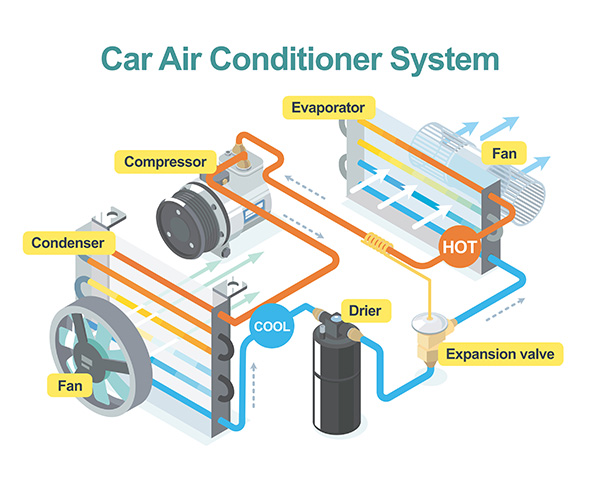
Turning on the air conditioning adds work to the engine. The A/C compressor has to be driven by the belt, and the cooling fans may begin operating at the same time. A healthy engine usually compensates by adjusting idle speed and fuel delivery, so the change should be minor. When the engine begins shaking, stumbling, or nearly stalling with the A/C on, the added load is exposing a weakness. The cause may be related to the compressor, belt drive, engine mounts, throttle body, ignition system, or the controls responsible for maintaining idle. The A/C Compressor Adds Load To The Engine The compressor circulates refrigerant through the air conditioning system. When its clutch engages, or its internal control changes output, the engine has to supply additional power. At idle, that added demand is easier to feel because the engine is already turning slowly. A brief change in engine tone can be normal. Repeated shaking, a large RPM drop, or a feeling that the engine may s ... read more
Posted on 6/26/2026

Most drivers have seen the tire pressure light come on at some point. Sometimes it is a simple case of low air in one tire. Other times, the light keeps coming back even after the tires have been filled properly. That is usually when the frustration starts. At our shop, one of the first things we think about in that situation is the TPMS. TPMS stands for Tire Pressure Monitoring System. Its job is to alert you when one or more tires are too low on air. It is a helpful safety feature, especially because a tire can be underinflated without looking obviously flat. The tricky part is that the system itself can develop problems over time, especially as sensors age. A failing TPMS sensor can make it hard to tell the difference between a real tire pressure issue and an electronic one. That is why the warning signs matter. If you know what to look for, you are much less likely to waste time guessing or keep driving around with a problem that needs attention. What TPMS Sensors Actual ... read more