By the first cool morning, the weak air conditioning you noticed in August can slip off the repair list. The windows are down, the heater is getting some use, and there's little reason to spend money on cold air right now.
Then a wet coat and damp shoes fog the windshield on an ordinary fall drive. Or the next warm afternoon arrives, and the vents deliver nothing but lukewarm air. A seasonal change can make the original complaint less noticeable without changing what's happening inside the refrigerant circuit.
Air Conditioning Also Helps Clear Fogged Glass
The A/C evaporator removes moisture from cabin air as it cools it. Many climate-control systems use that drying effect during windshield defogging, then add heat so the air reaching the glass isn't cold. Losing refrigerant can reduce that dehumidifying ability as well as summer cooling.
Compressor operation isn't identical in every temperature or vehicle. Some systems inhibit it when conditions are too cold, so a compressor that stays off on a freezing morning isn't automatically faulty. Still, an A/C leak confirmed during warm-weather testing doesn't become harmless simply because the heater works.
The Leak Doesn't Close When You Stop Asking for Cold Air
The refrigerant remains under pressure with the engine off. A leaking hose crimp, condenser, service valve, or seal can continue losing charge while the car sits. Turning off the A/C button does not empty or isolate the entire refrigerant circuit.
The rate of loss can change with temperature and pressure, which explains why cooling sometimes lasts for weeks after a recharge and sometimes doesn't. That variation also makes another recharge a poor substitute for finding the opening. The system needs to retain its specified charge, not just contain enough refrigerant to feel cool briefly.
Low Charge Changes Compressor Operating Conditions
Refrigerant and the correct compressor oil work together in the circuit. An incorrect charge can interfere with oil return and temperature control. Many vehicles limit compressor operation when pressure is too low, but that protection should not be treated as permission to ignore a known leak.
Not every low-charge system has a damaged compressor. Claiming that would push an owner toward an unnecessary repair. The useful question is how the compressor performs once the leak is corrected and the system is charged accurately. Noise, pressure behavior, and contamination help determine whether anything beyond the leak needs attention.
Find the Leak Before Buying the Next Recharge
At our shop, refrigerant leak detection starts with the areas the complaint makes relevant, not a recommendation to replace every seal. A condenser exposed at the front of the car needs a different examination from an evaporator hidden in the heater case. Oily residue can guide the search but doesn't locate every leak.
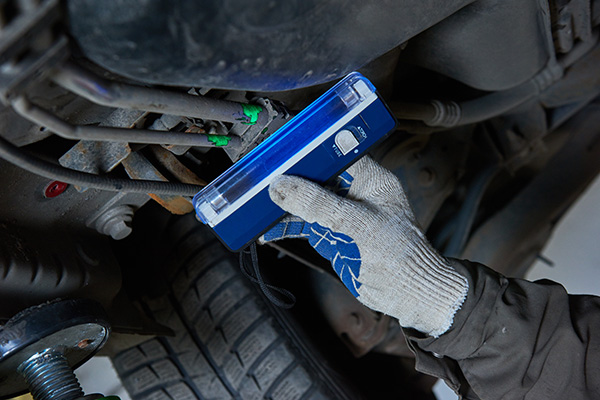
Electronic detection, approved dye, or an appropriate pressure-testing method can confirm the source. A vacuum test alone won't reveal every leak that occurs under operating pressure. The inspection should also distinguish weak cooling from poor airflow, because a packed cabin filter or malfunctioning blower won't be repaired by adding refrigerant.
A Complete Repair Includes the Right Recharge
After the leaking component is repaired, the system needs proper evacuation and the exact refrigerant charge specified for the vehicle. Compressor oil must match the application, too. Electric compressors in hybrids and EVs can have specific oil requirements, making casual mixing especially unsuitable.
Replace a receiver-drier or desiccant component only when the repair procedure or exposure calls for it, not automatically with every minor leak. Stop-leak products complicate later service and aren't a reliable repair for damaged hardware. Ask what was leaking, what will be replaced, and how the shop will check the finished system.
Cool Weather Gives You Room to Plan the Work
An evaporator repair that requires dashboard removal is a different commitment from replacing an accessible service valve. Once the source is known, the shop can explain the labor involved and help you plan transportation. Waiting until the cabin becomes unbearable removes that flexibility without making the job simpler.
Fall is also a practical time to review cabin airflow and windshield clearing during regular maintenance. We can test cooling in suitable conditions and explain any temperature-related limits to the check. Keep records of previous recharges and repairs; knowing how quickly the charge was lost helps separate a persistent leak from a new one.
Get A/C Leak Repair In Mason, OH, With Rix Automotive
Rix Automotive in Mason, OH, can locate a refrigerant leak and explain the work needed to restore cooling and moisture removal. There's no need to wait until hot weather makes the problem uncomfortable again.
Contact us to schedule A/C leak testing and plan the repair around your calendar.