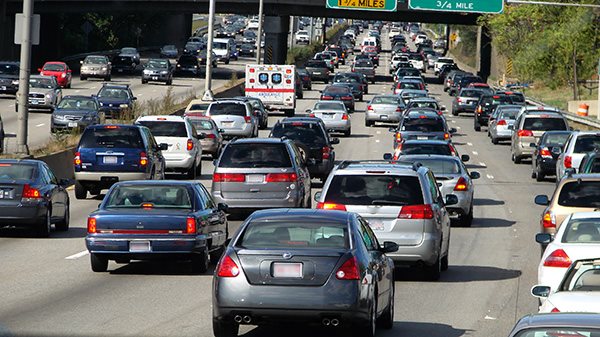
The drive from Mason toward Cincinnati on I-71 can change from steady highway travel to repeated braking, creeping, and acceleration. Your car still covers the same route, but its engine, brakes, and transmission operate differently when traffic slows.
The extra load isn't always obvious from mileage alone. Understanding what congestion does to the vehicle helps you choose better maintenance intervals and notice problems before the commute becomes more expensive.
Stop-and-Go Driving Adds More Brake Heat
Every time you slow from highway speed, the brakes convert vehicle motion into heat. In heavy traffic, they repeat that process many times with fewer long breaks between applications. Pads, rotors, and brake fluid all work under different conditions than they do during steady cruising. A healthy brake system is designed for normal traffic, but worn components and dragging calipers create extra heat and accelerate wear.
Listen for new squeals, scraping, or grinding when traffic requires repeated stops. A change in pedal feel is another reason for inspection. We check pad thickness, rotor condition, caliper movement, and fluid-related concerns when the evidence points there. A squeal doesn't automatically mean the rotors need replacement, but grinding or weak braking warrants prompt service before the next commute.
Repeated Acceleration Raises Fuel Consumption
Maintaining a steady speed usually requires less energy than repeatedly accelerating after a stop. Each time traffic opens, the engine uses additional fuel to build speed again. Idling burns fuel without moving the car, lowering miles per gallon. Speed changes, aggressive throttle use, and road grade all influence what appears on the trip computer during a congested drive.
A sudden fuel-economy decline isn't always caused by a mechanical fault. Compare similar routes, temperatures, and traffic patterns before assuming the engine needs repair. Underinflated tires, overdue ignition maintenance, or dragging brakes still need consideration if consumption stays unusually high. An inspection separates real vehicle problems from the predictable effect of traffic.
Transmission Fluid and Components Work Harder
Automatic transmissions manage changing torque and gear selections as you accelerate and slow repeatedly. Torque converters, internal clutches, hydraulic controls, and electronic systems respond to that demand. Some vehicles spend substantial time creeping in traffic, which creates operating conditions different from uninterrupted highway travel. Cooling and fluid conditions are important, especially when the vehicle also tows or carries heavy loads.
The correct transmission maintenance schedule depends on the model and manufacturer guidance. Some designs have specific service procedures or fluids that shouldn't be treated as interchangeable. We review the vehicle's service history and any shift concerns before recommending work. Harsh engagement, slipping, or unusual transmission temperatures call for their own inspection before any fluid service is recommended.
Engine Oil Experiences More Running Time Per Mile
A car covering twenty miles in light traffic often runs for less time than one traveling the same distance through a long backup. That means the engine accumulates operating hours while the odometer moves slowly.
Repeated idling and short stretches of acceleration affect oil temperature and operating conditions. Modern oil-life monitors may account for some of those inputs, but the manufacturer's schedule still controls the service plan.
If your commute regularly involves heavy congestion, check the normal and severe-service maintenance definitions for your engine. An overdue oil change can't be judged from mileage alone when the time limit has passed. We compare the owner's manual with the service history and any oil consumption. A low-oil or oil-pressure warning requires separate action, not simply a shorter interval at the next visit.
Cooling Systems Need to Work at Low Speed
At highway speed, air naturally moves through the radiator. In traffic, cooling fans and their controls must supply much of that airflow. A weak fan, coolant leak, or restricted radiator may reveal itself during a long backup even though the temperature looks normal on the open road. Running the air conditioner adds heat load to the cooling package on many vehicles.
If the temperature gauge begins climbing while you're stuck in traffic, follow the owner's manual and stop safely if the engine overheats. Don't remove a hot coolant cap. We inspect fan operation, coolant level, hoses, and the systems indicated by the symptoms. The problem needs repair before another congested trip, because severe overheating damages engines quickly.
Tires and Suspension See More Wear Than You Notice
Repeated braking and acceleration transfer weight between the axles. Potholes, uneven ramps, and roadway joints add suspension movement. Low tire pressure increases rolling resistance and changes handling, while misalignment or worn components can produce uneven tread wear over time. Those conditions may develop gradually until the steering feels different on the highway.
Check tire pressure when cold and use the vehicle's door-jamb specification, not the maximum printed on the tire sidewall. During an inspection, look for abnormal wear, damaged sidewalls, and steering or suspension looseness. Regular tire maintenance supports both safety and fuel efficiency. A car that pulls or vibrates needs evaluation before the next high-speed segment of the drive.
Habits That Reduce Stress During the Commute
Leaving extra following distance helps you brake gradually and reduces unnecessary stop-start cycles. Looking farther ahead gives you time to ease off the accelerator when traffic slows. Avoid sudden lane changes or hard acceleration to close a small gap. These habits don't eliminate mechanical wear, but they make the drive more predictable and reduce repeated high-load events.
Keep an eye on these clues:
Your maintenance history and the conditions of your daily route should guide inspection priorities. A short checklist helps catch problems before they become roadside breakdowns.
Get Commuter Vehicle Maintenance in Mason, OH, With Rix Automotive
Rix Automotive in Mason, OH, helps drivers evaluate brake wear, fluid service, cooling concerns, and traffic-related vehicle symptoms. We'll explain the inspection results and the maintenance your car needs.
Call Rix Automotive or schedule your commuter vehicle inspection online today.